Aqara Smart Lock U100
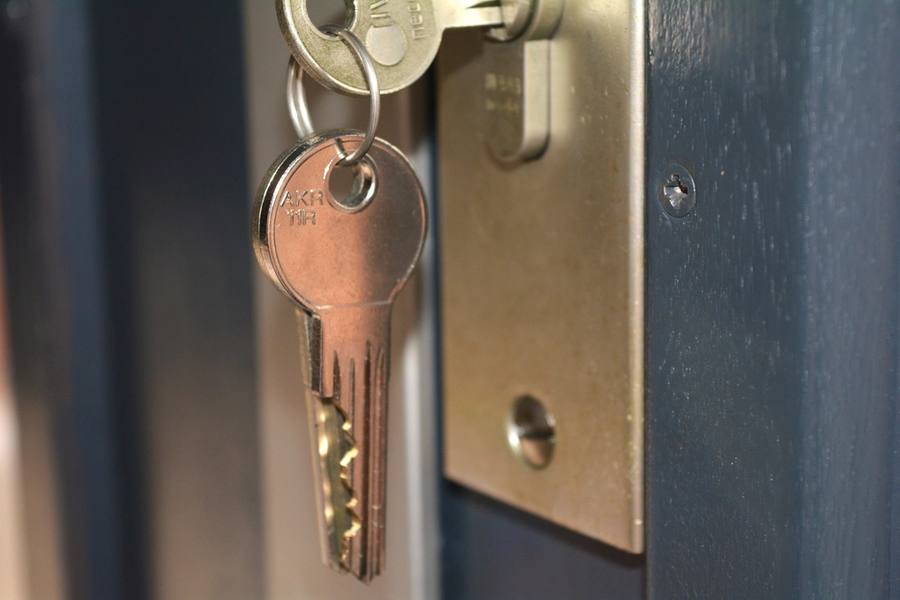
Temsili görsel (stok fotoğraf); ürünün kendisi değildir.
Keep The Physical Key
The single most important thing about any smart lock is what happens when the electronics fail, and the answer should be that you can still get in.
The U100 retains a physical key cylinder alongside fingerprint, keypad and phone entry. Some competitors omit this to look sleeker, and that decision means a flat battery or a firmware fault leaves you outside your own house.
Batteries do go flat, firmware updates do occasionally go wrong, and electronics in a door exposed to temperature swings and rain do eventually fail. A key is the thing that makes all of those an inconvenience rather than a locksmith call.
Entry Methods And Which Get Used
Fingerprint is the method people actually use daily, because it is faster than a phone and requires nothing in your hands. Recognition speed and reliability determine whether a smart lock feels like an upgrade or a nuisance.
A keypad code is what you give a cleaner, a dog walker or a guest, and time-limited codes are genuinely useful — a code that expires on Sunday is far better than a key you have to get back.
Phone entry works and is the least used of the three in practice, because unlocking your phone to unlock your door is slower than simply touching the lock. It is most useful for remote unlocking when somebody needs to be let in.
Local Operation Matters Here
A lock is the one smart home device where dependence on a cloud service is genuinely unacceptable, because a service outage should never affect whether your door opens.
The U100 operates locally, with fingerprint and code entry handled in the lock itself rather than requiring a server to authorise. Remote features use a hub, and the core function does not.
That distinction is worth checking on any smart lock you consider, because some devices route even local entry through a cloud check and become unreliable in exactly the moment you need them.
Installation And Door Fit
It replaces a standard deadbolt, which for most doors is a screwdriver job of under an hour. Door thickness, backset and the existing bore need to be within range, and measuring before ordering is not optional.
A poorly fitting door is the most common cause of smart lock problems. A deadbolt that needs the door pulled or lifted to throw cleanly will work by hand and jam under motor power, because the motor cannot apply the same correction.
Fixing door alignment before fitting a smart lock is the step people skip and then blame the lock for. It is usually a hinge adjustment or a strike plate move, and it is worth doing properly first.
Who It Suits
This suits a household with people who need periodic access — cleaners, relatives, dog walkers — where time-limited codes replace the awkwardness of handing out and recovering physical keys.
It suits less well a door with poor alignment or unusual dimensions, where the smart lock will amplify an existing problem rather than solving anything.
It suits particularly well anyone already in the Aqara ecosystem, where the lock becomes part of local automations rather than a standalone device in yet another app.
The Verdict
A well-judged smart lock: it keeps a physical key, operates locally so a cloud outage cannot lock you out, and offers fingerprint entry that is genuinely faster than a key.
It needs a door that closes and bolts cleanly, dimensions within range, and a hub for remote features.
Fix your door alignment before fitting any smart lock — a deadbolt that needs the door lifted to throw will jam under motor power, and that is not the lock's fault.
Bir bakışta
Artılar
- Retains a physical key cylinder as backup
- Fingerprint and code entry processed locally, not via cloud
- Time-limited codes replace handing out physical keys
- Standard deadbolt replacement, under an hour to fit
Eksiler
- Requires a hub for remote features
- Door thickness and backset must be within range
- Amplifies any existing door alignment problem
- Batteries need periodic replacement
Sıkça sorulan sorular
What happens if the batteries die?
You use the physical key, which is why keeping a key cylinder matters more than any feature. Locks that omit the key to look sleeker leave you outside your own house when a battery goes flat or a firmware update goes wrong.
Does it need internet to unlock?
No — fingerprint and code entry are processed in the lock itself. That matters enormously for a lock specifically: a cloud outage should never affect whether your door opens. Remote unlocking does need a hub and a connection.
Will it fit my door?
Measure thickness, backset and the existing bore before ordering. And check alignment: if the deadbolt needs the door pulled or lifted to throw cleanly, fix that first — a motor cannot apply the correction your hand does, so it will jam.
Teknik Özellikler
| Type | Deadbolt replacement |
| Entry | Fingerprint, keypad, phone, physical key |
| Core operation | Local, no cloud required |
| Remote features | Require hub |
| Guest access | Time-limited codes |
| Installation | Screwdriver, under an hour |
| Power | Batteries |
| Key backup | Yes |
Özet
Keeps a physical key, works without internet, and fingerprint entry is genuinely faster than a key. Fix your door alignment before fitting it.
Amazon'da Fiyatı Kontrol Et